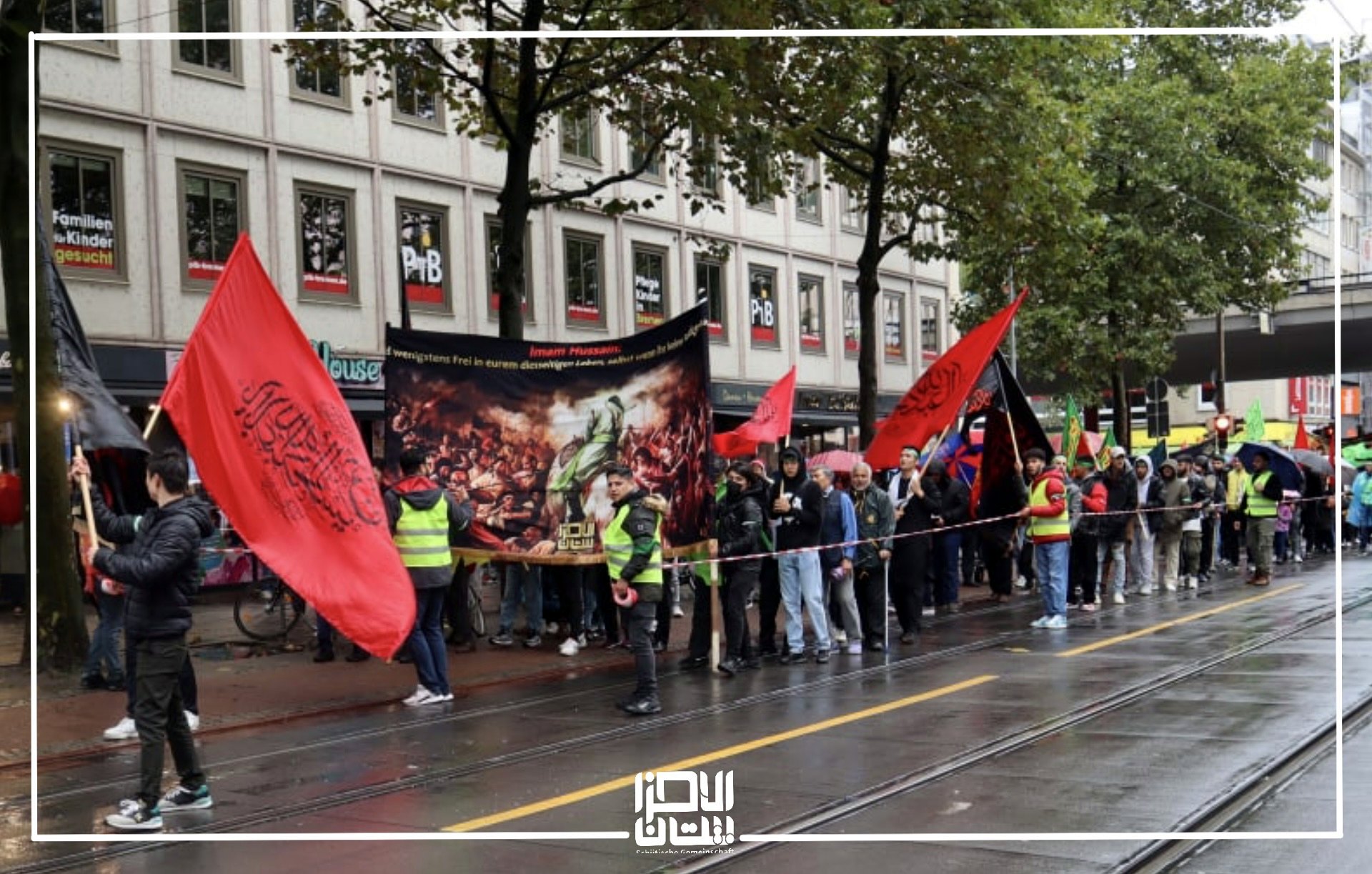
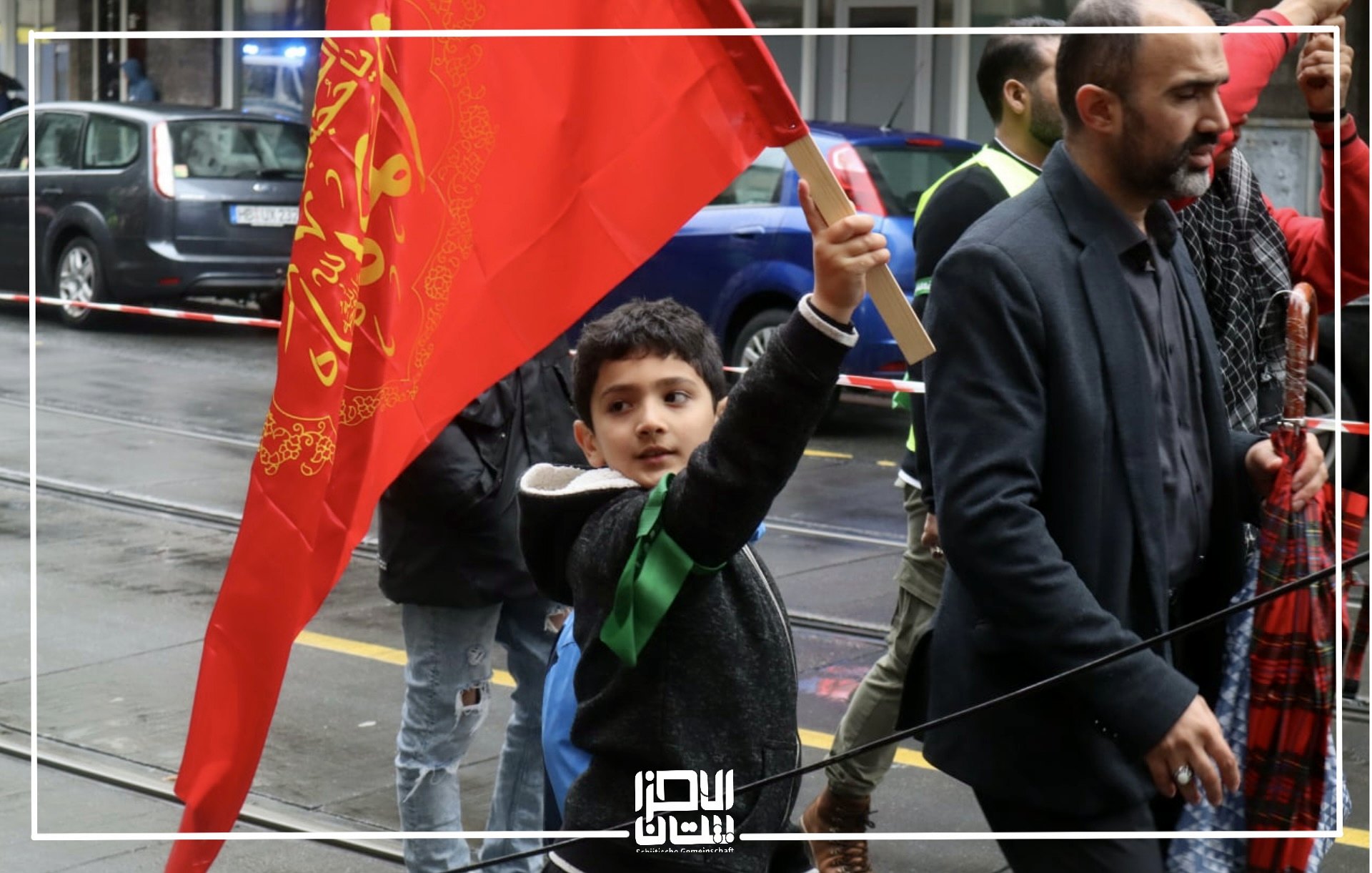
Ashura day
What day is Ashura?
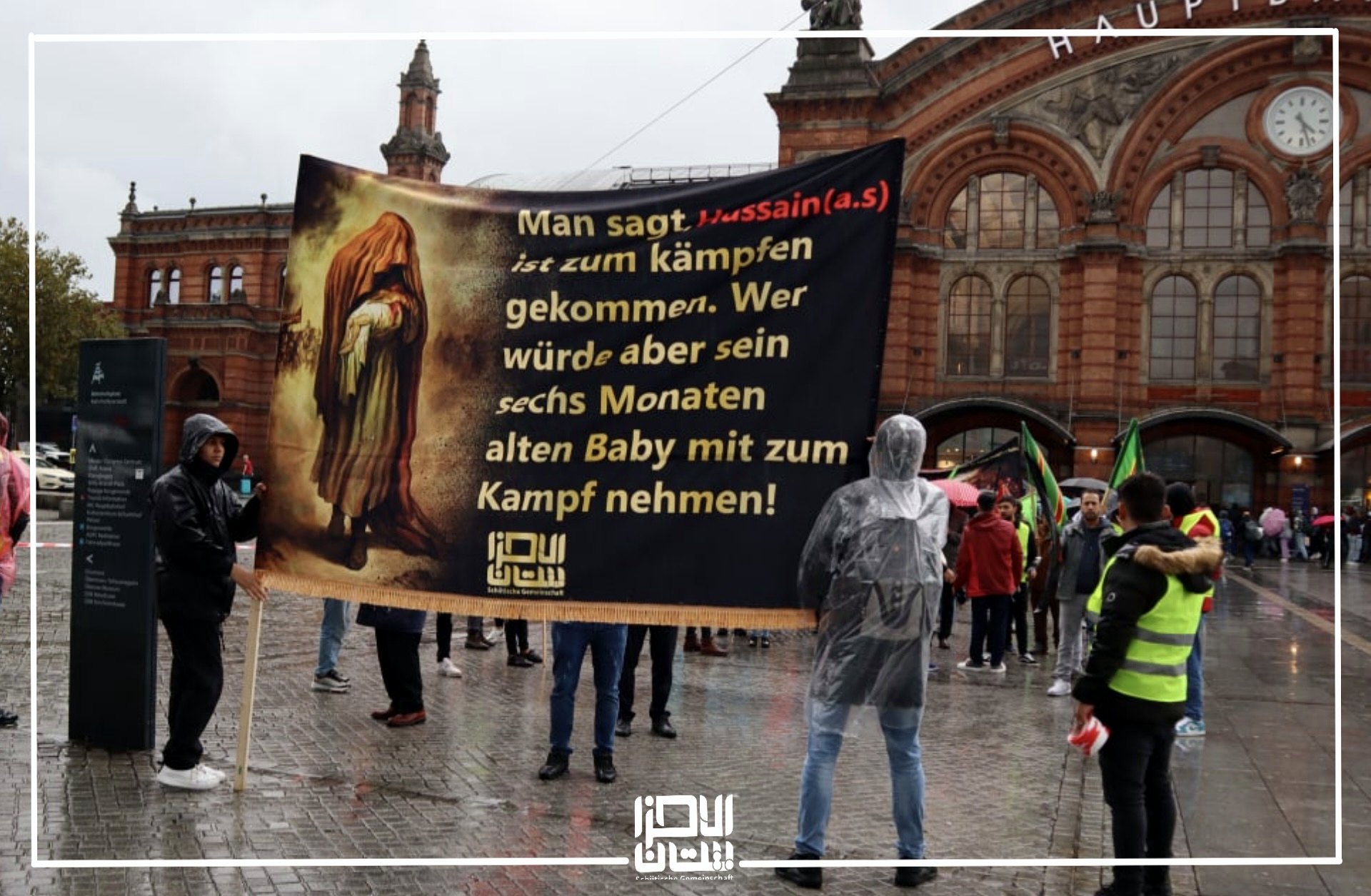
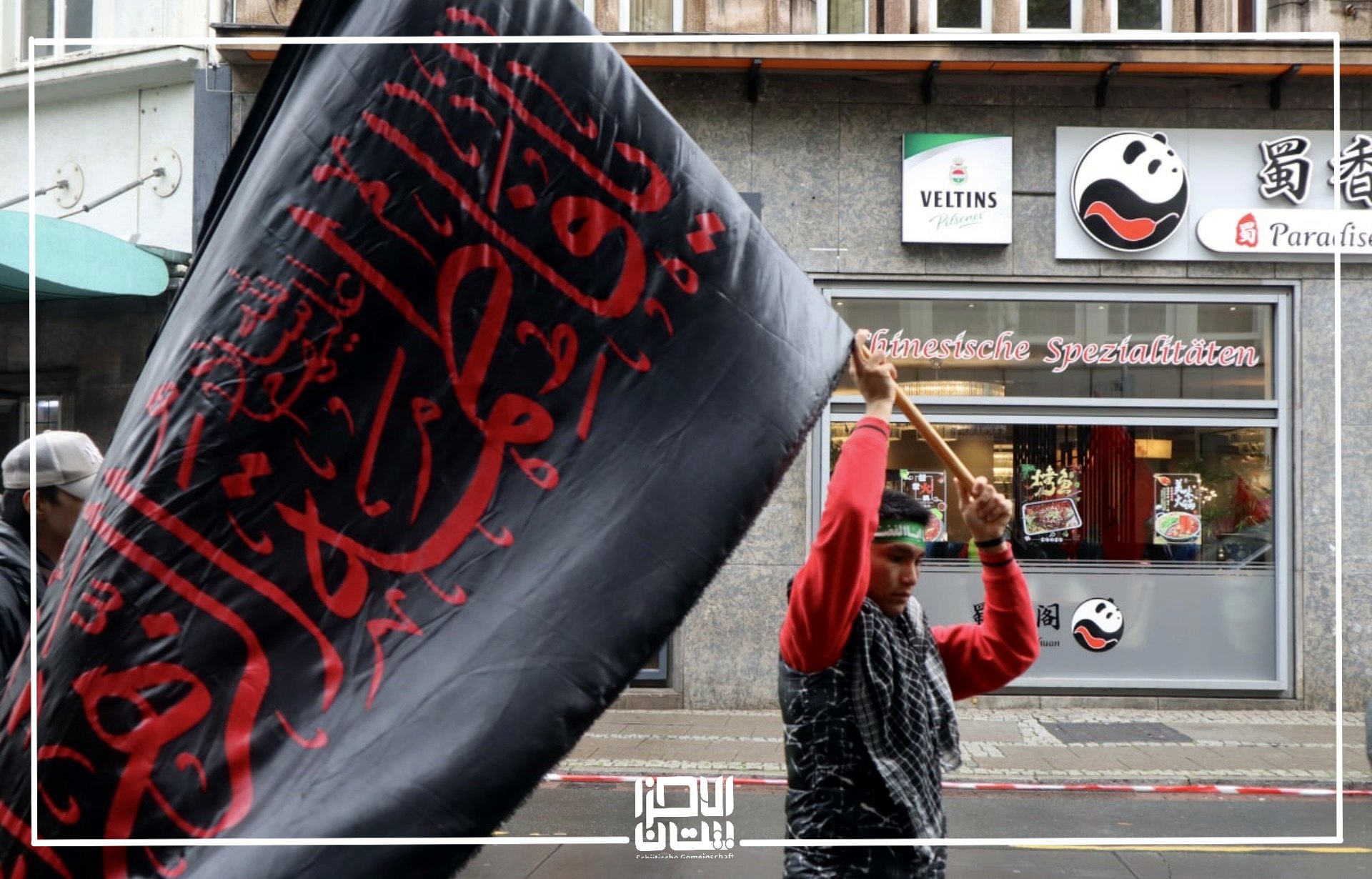
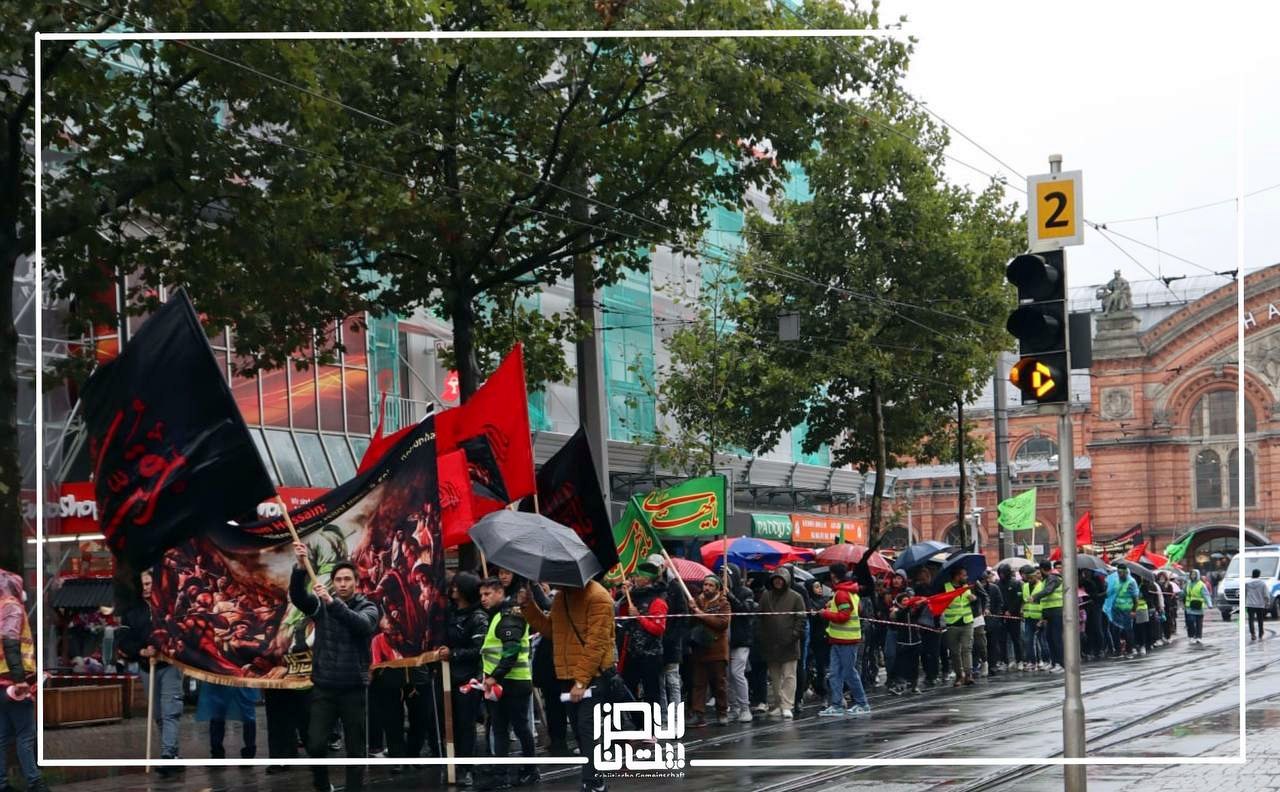
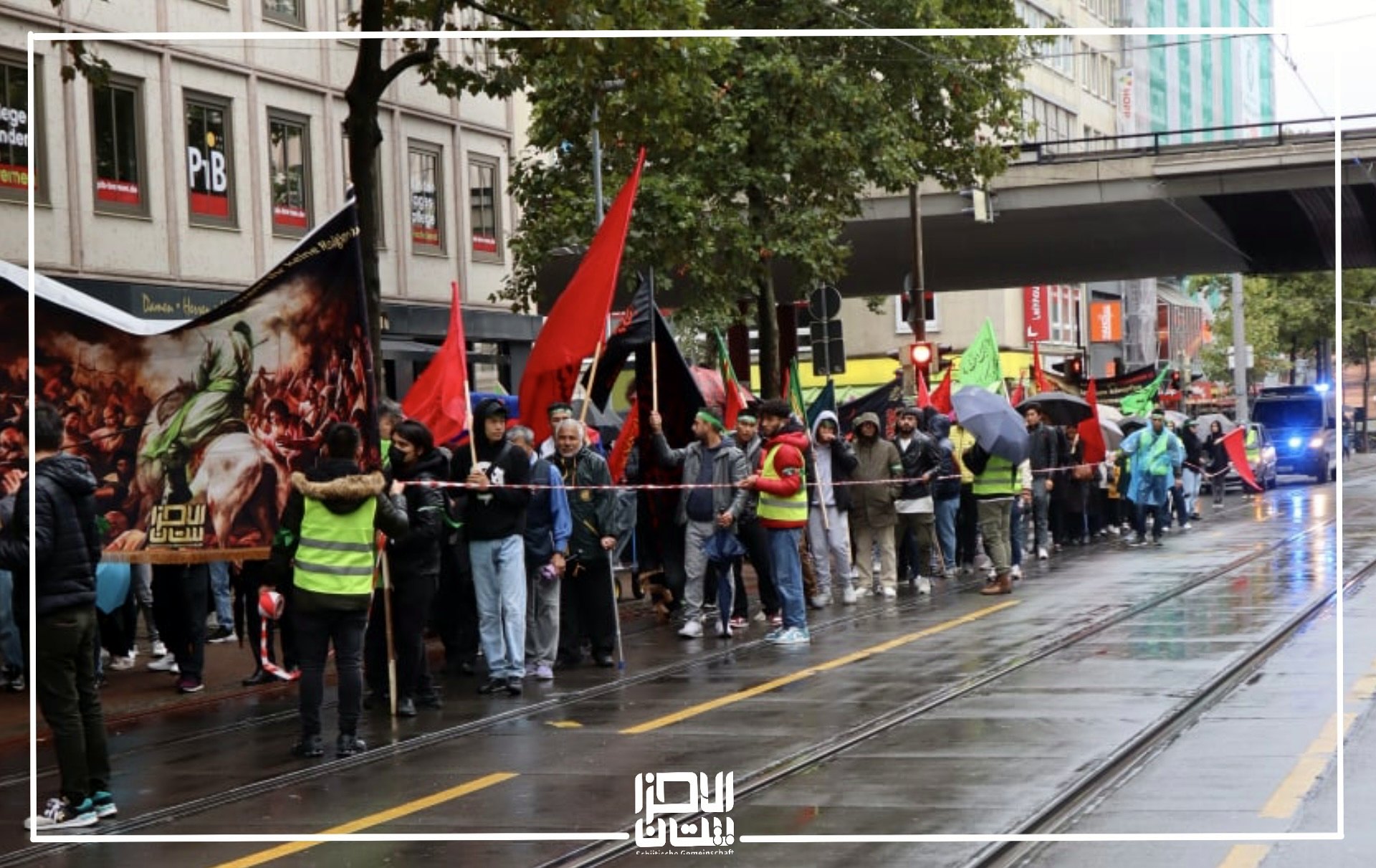
Ashura day, the tenth day of the month of Muharram in the Hijri calendar, is the day of mourning for Imam Hussain (a.s.). Of course, this mourning is not exclusive to Shiites, but Armenians and Zoroastrians also organize mourning processions for Imam Hussein. The tenth day of Muharram (the day of Ashura) is due to the events that happened on this day (the events of Ashura in 61 AH) that on this day Husayn bin Ali - the third Imam of the Shiites - and his companions in the Karbala incident in the war with Omar Saad's army They were martyred.
A summary of the events of Ashura 61 AH
The events of the day of Ashura, the series of events of the day of Ashura in the 61st lunar year; From shutting off the water to Imam Hussein (a.s.) and his companions and the martyrdom of Imam Hussein (a.s.), his family, relatives and companions, to the burning and looting of the tents by Omar bin Saad's army, and finally the capture of the survivors of the Ashura event.
According to historical reports, the armies of both sides prepared for battle after the morning prayer. Before the start of the war, Imam Hussain (a.s.) and Burir preached to the opposing army. Imam Hussain (AS) had warned his companions not to start the war. So Umar Saad threw the first arrow towards the army of Imam Hussain (AS). At first, the attacks were in groups and many of the companions of Imam Hussain (AS) were killed in these attacks. After that, Imam's companions went to war individually or in pairs. At noon, Imam Hussain (a.s.) decided to pray, and Zuhair bin Qain and Saeed bin Abdullah Hanafi became the protectors of the Imam and his companions, and Saeed bin Abdullah was martyred.
In the continuation of the battle, the first martyr from Bani Hashem was Ali Akbar. Abul Fazl al-Abbas, who was responsible for bringing water with him, was martyred in the battle with the guards of the Euphrates law. When Imam Hussain (a.s.) held his infant son, Ali Asghar, to complain about his thirst, the enemy shot Ali Asghar's throat with an arrow.
After the martyrdom of all his companions and Bani Hashem, Imam Hussain (a.s.) went to the square. The infantry under the command of Shammar surrounded Imam Hussain (a.s.); But they still didn't come forward and Shimar encouraged them to attack. The enemy's army shot the Imam, and Shamar and his companions attacked Imam Hussain (a.s.) and martyred him. When Imam Hussein (a.s.) went to the square, Imam Sajjad (a.s.) also wanted to go to the square; But he was unable to do so due to illness. When the enemy looted the tents, Shammar wanted to kill Imam Sajjad (a.s.), but Hazrat Zainab (a.s.) prevented him.
The enemy separated the head of Imam Hussain (a.s.) and his companions and sent it to Ibn Ziyad and ran over his body and the martyrs of Karbala. Umar Saad stayed in Karbala that night with a group of his soldiers, and the next day around noon, after burying the dead of his army, along with the Ahl al-Bayt of Imam Hussain (a.s.) and other survivors, he moved towards Kufa. He took the prisoners of Karbala on foot until evening. On this route, a number of children were killed due to injuries, including Hazrat Ruqiyyah (pbuh), who was a little girl who died in the ruins of Sham.